The W1W Tree Planting Initiative has played a significant role in transforming the streets of Marylebone, Fitzrovia and the Harley Street area into greener, healthier and more welcoming spaces.
Since launching in 2009, the community-led initiative – delivered in partnership with the Westminster Tree Trust and Westminster City Council – has seen more than 1,000 trees planted across the neighbourhood, helping to improve air quality, support biodiversity and enhance wellbeing in one of London’s busiest districts.
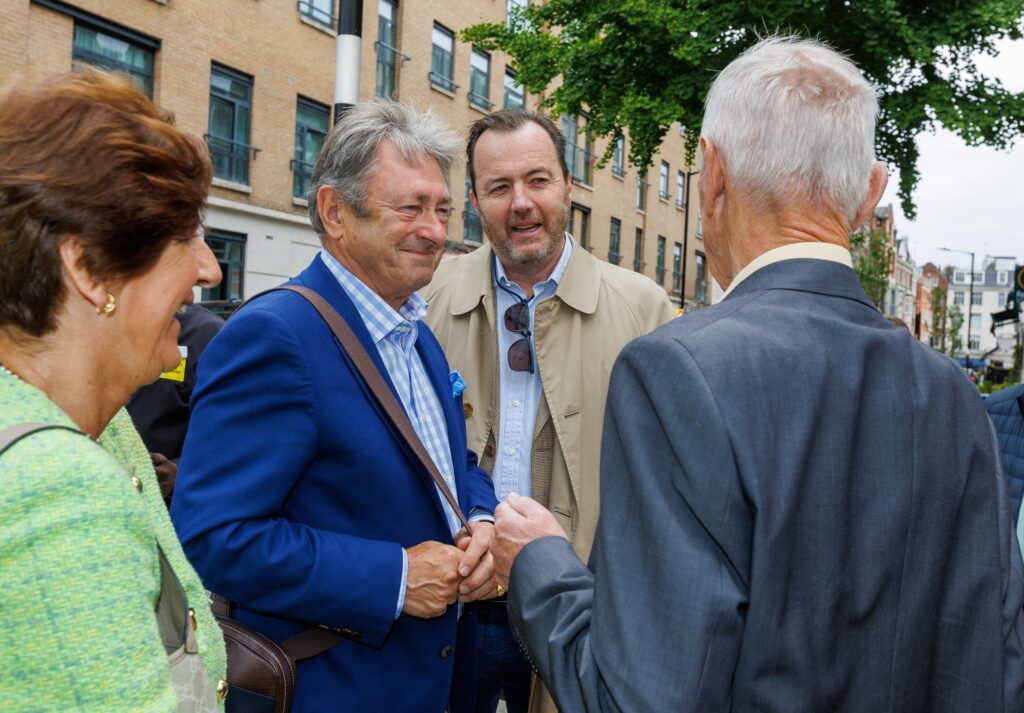
In this interview, we speak with Mark Gazaleh about the impact of the initiative in the Harley Street area, the importance of urban greening and how collaboration between businesses, residents and local organisations has helped shape a greener future for the area.
What inspired the launch of the W1W Tree Planting Initiative back in 2009?
The main driver was a practical desire to bring nature back to the urban streets of Marylebone and Fitzrovia. These areas have a historic layout dating back to the 1700s, but they lack green space and some pockets needed improvement. We wanted to create attractive green spaces and pedestrian corridors that would encourage walking throughout the area while respecting and enhancing the unique character of these historic neighbourhoods.
Why is tree planting and urban greening so important in areas like Harley Street and Marylebone?
As a world-renowned medical hub with a highly dense historic footprint, this area particularly benefits from natural interventions. Introducing trees directly helps mitigate traffic pollution and the urban heat island effect, while creating a more restful environment for the whole community. Visually, the trees act as a consistent “green thread” connecting historic Marylebone, making the neighbourhood more cohesive and inviting for those who live, work and visit.
What impact have you seen the initiative have on the local community over the years?
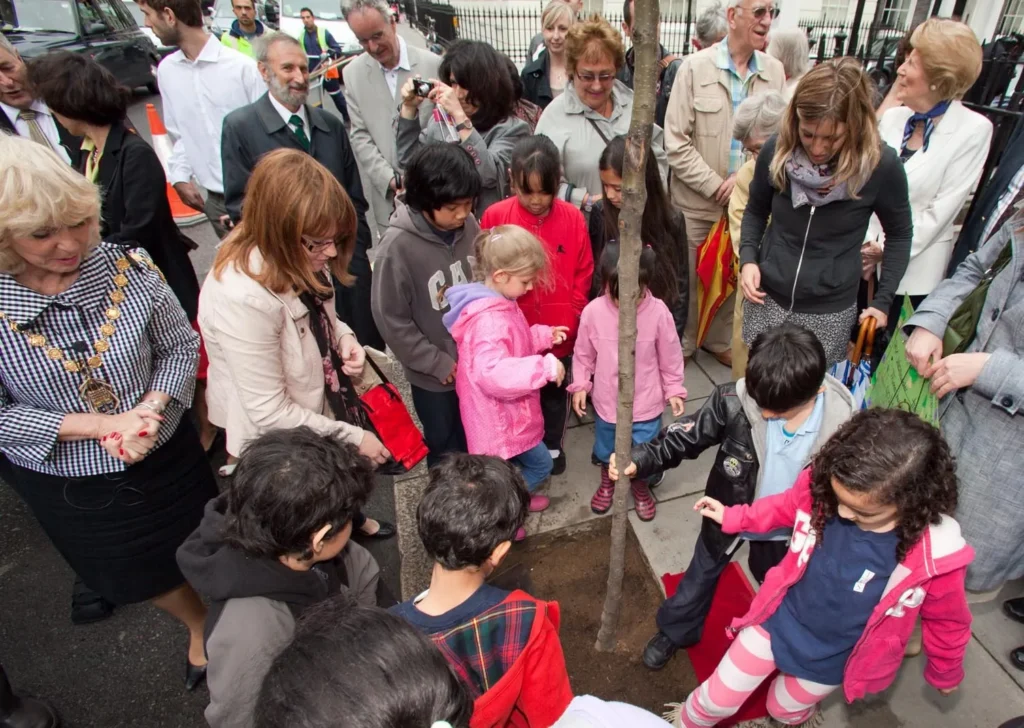
It has provided a strong foundation for ongoing environmental improvements and fostered a deeper sense of local stewardship. Involving local schools and universities has been a key part of this success, allowing young people to actively participate in shaping their environment.
Looking ahead, Business Improvement Districts (BIDs) are now playing a vital role in continuing this work in their areas, providing the structured support needed to maintain, protect and expand these green spaces for the community.
Reaching 1,000 trees planted was a major milestone – what does that achievement mean to you?
Having a tangible target always helps focus community effort. Our initial goal was 600 trees, but it became clear that there was still significant demand to complete the green corridors from Cleveland Street to Edgware Road.
Achieving the 1,000-tree milestone is an excellent result, made possible by the steady support of our local ward councillors, especially Westminster City Council’s Arboricultural Department, and our local stakeholders. It is a rewarding contribution to a neighbourhood enjoyed by so many.
How have local businesses and organisations supported the initiative’s success?
Success relied on a collaborative match-funding model from the very beginning. We ultimately raised £80,000 through a collective effort involving residents, local councillors, businesses, hospitals, major estates such as Howard de Walden and Portman, and even schoolchildren with donation buckets. This shared support from the community and the council was crucial to delivering the project.
What environmental and wellbeing benefits do trees bring to busy central London streets?
They serve as vital green infrastructure by improving air quality, providing shade and absorbing rainfall. For everyday wellbeing, they create calmer, more pleasant walking routes. Since the trees were introduced, we have noticed calmer traffic speeds and increased footfall, encouraging people to slow down and enjoy the surrounding architecture.
What are your hopes for the future of the initiative and the Harley Street area?
We are now entering a new phase with the Marylebone Green Grid and the Fitzrovia Forest, focusing on long-term care and management as the canopy matures. Future additions will require careful species selection and creative space management to maintain a balance with the area’s architecture. We are also working to complete the tree lines along Oxford Street and its tributary streets as much as possible, and I really hope we will see positive results there too.
Find out more
Back to all news/events